 An official website of the United States government




Program Description
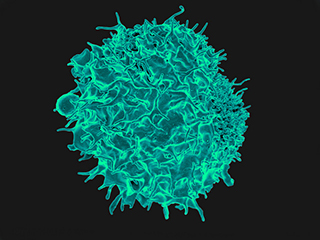
Our immune system is made of cells, tissues, and organs that work together to defend our bodies and protect against disease. Environmental exposures, like some pesticides, metals, per- and polyfluoroalkyl substances, and other chemicals can harm the function and effectiveness of the immune system. In turn, this may increase susceptibility to infection, reduce response to vaccinations, and trigger autoimmune responses.
What Is NIEHS Doing?
NIEHS supports research in the field of immunotoxicology and immunoepidemiology, which explores how toxic environmental exposures may alter immune system function using toxicological or epidemiological methods, respectively. For example, NIEHS-funded researchers are studying:
- Impacts of per- and polyfluoroalkyl substances on COVID-19 severity and progression .
- Impacts of arsenic exposure during pregnancy on the mother’s vaccine response and susceptibility to infection .
- Possible links between breathing in silica and loss of immune cell tolerance , causing the immune system to attack healthy tissues and organs.
- Impacts of air pollution on immunological defenses against tuberculosis .
- The influence of PFOA exposure on B cell function in the immune system.
- Effects of environmental pollutants on an important cellular receptor and how that interaction contributes to the suppression of anti-tumor immune responses and the development of oral cancers .
NIEHS is also interested in examining the effect of childhood infections on the body’s response to environmental contaminants later in life, as well as possible impacts of environmental exposures on subsequent infections. For example, scientists are examining how air pollution affects immune response to respiratory viral infection , as well as exploring how exposure to TCDD, a type of dioxin, can suppress immune T cell response to staph infection , and how that epigenetic vulnerability can be passed from parent to child for multiple generations.
Autoimmune Diseases
There is growing evidence suggesting environmental exposures may also contribute to autoimmunity and autoimmune diseases. Autoimmune diseases occur when the immune system mistakenly attacks normal, healthy tissues and organs in the body. Type 1 diabetes, rheumatoid arthritis, Crohn’s disease, celiac disease, and psoriasis are just a few examples of autoimmune diseases.
NIEHS-funded researchers examine the role environmental exposures play in the development and progression of autoimmune diseases, and the biological mechanisms involved. For example, NIEHS-supported scientists study the relationship between early life exposures and eosinophilic esophagitis , and how toxicant-triggered autoimmune disease can be prevented by modifying the intake of dietary lipids . Another project is exploring how trichloroethylene (TCE) drives cell differentiation in a certain type of white blood cell, which can stimulate autoimmunity and possibly other hypersensitivity disorders.
Program Leads


NIEHS scientists foster collaborations to address toxicants and vulnerable communities Autoimmune diseases and women’s health spotlighted during webinar Autoimmune Diseases