 An official website of the United States government




Fitness training classes to improve self-esteem and prevent substance use.
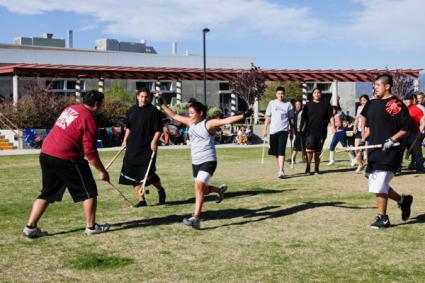
Fitness Training was designed to improve fitness and enhance self-evaluation as an indirect means to decrease or prevent substance use among Canadian First Nation adolescents. The outcomes for students who received this 24-week program to enhance aerobic capacity, flexibility, and strength were compared with students receiving regular gym classes.
Outcomes
Estimates of changes or differences in alcohol-related problems and the stability of those changes or differences.
Low Level of Change
Very little positive effect on alcohol use prevention.
Physical, psychological, and substance use data were collected pre- and post-intervention. Planned analysis did not reveal a significant effect of the fitness training on substance use; there were improvements in cardiovascular fitness and self-efficacy. The frequency of substance use for all the participants increased across time. Increased alcohol and substance use was somewhat (but not significantly) greater in the comparison group than in the fitness group.
Costs
Two domains estimating start-up and ongoing expenses.
| Start-Up Cost Low | Ongoing Cost Low |
Costs were low as the intervention was part of regular gym classes.
The start-up and ongoing costs are likely to be low as the only costs appear to be the fitness instructor (in this case, a community member) and any needed supplies.
Cultural Engagement
Two indicators of cultural and Tribal/community contributions.
| Cultural Inclusion Low | Tribal Inclusion Low |
Inclusion of cultural concepts and Tribal input was low.
The fitness instructor was a member of the Tribal community. The study received Band council approval.
ParticipantsDemographic description of the people who participated in the research study. Child, Adolescent; Native; Female, Male | SettingPlace(s) in which this intervention was conducted. Reservation, School | DeliveryMethod through which the intervention was delivered to participants in the study. Medium Group |
First Nation adolescents participated as part of gym classes in reservation schools.
Intervention was delivered during the first 30 minutes of gym classes at a reservation school. Participants included 76 students (ages 12 to 18 years) in grades 7 through 11 (30 in the fitness condition and 44 in the comparison group). The experimental groups were gender balanced.
Staffing Needs
Credentials and/or background of personnel who delivered the intervention.
Certified Professional, Community Member
A First Nation certified fitness instructor provided the intervention.
The intervention was delivered by a certified fitness instructor, a member of the River Desert Community.
Research Design
Methods employed to gather research data.
Quasi experimental design
Developmental stage of research
Stage of development of the evidence supporting this intervention.
Early Stage
Limited evidence of effectiveness of fitness training preventing substance use.
The preliminary data suggest a limited relationship between fitness training and substance use prevention. The small number of participants, lack of significant benefit on most variables, and pre- and post- quasi-experimental design without true control condition prevent strong conclusions regarding benefits of preventing alcohol and substance use.
Potential
Narrative offered by expert reviewers providing overall comments or evaluations about the intervention.
Fitness intervention could be feasible and transportable but of uncertain impact on substance use.
The fitness-focused intervention appears to be transportable to other Native communities as well as feasible to implement given low costs and partnering with schools. However, the impact of the intervention on alcohol or other drug use was not strongly demonstrated.
References
Primary
Scott KA, Myers AM. Impact of fitness training on Native adolescents’ self-evaluations and substance use. Can J Public Health. 1988;79(6):424-429. https://pubmed.ncbi.nlm.nih.gov/3233567 . https://www.jstor.org/stable/41990556 .
See references for all interventions
< Back to all interventions for Prevention of Alcohol Misuse