 An official website of the United States government




An observational study
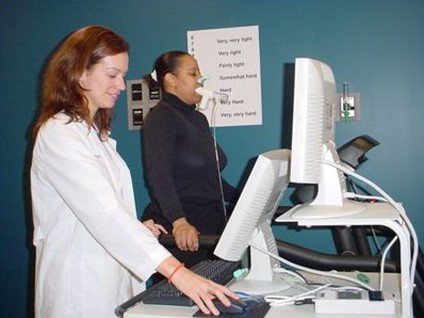
Unlike a clinical trial, no interventions (like drugs, exercise, or other lifestyle changes) are tested in the BLSA. The BLSA is an observational study. Researchers measure physical and cognitive changes associated with aging in real time among a dedicated group of BLSA participants who come in for testing at regular intervals over the course of their lives. Presently, participants under age 60 are assessed every 4 years; those aged 60 to 79 years come every 2 years, and participants aged 80 and older are assessed annually. During the assessment, they receive comprehensive health, cognitive, and functional evaluations that take nearly 3 days to complete. A consortium of scientists collects and analyzes data from this study population with the aim of characterizing normal and exceptional aging, along with age-related health issues, such as frailty.
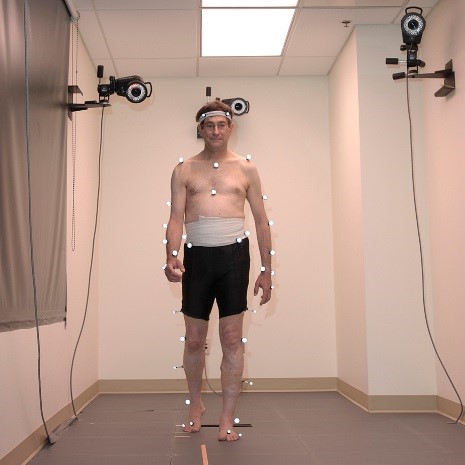
- Changes that occur over the aging process.
- Biological, behavioral, genetic, and environmental factors that account for these changes. This helps researchers understand why the effects of aging differ in different individuals.
- Potential predictors and risk factors for specific diseases, frailty, and other end-points reflecting success or failure to adapt to aging.
- Possible targets for interventions that may positively affect aspects of the aging process and prevent age-related diseases.
- Factors that predict healthy aging across the life span.