 An official website of the United States government




Community-driven intervention using Yup’ik culture to promote protective factors against suicide and alcohol misuse.
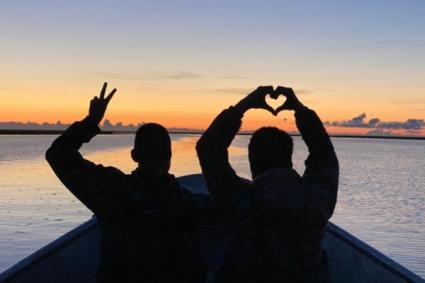
Qungasvik, a Yup’ik word for toolbox, is a community/cultural intervention for rural Yup’ik youth ages 12–18 years to prevent suicide and alcohol misuse. The manualized intervention uses 18 community-created, culturally specific module outlines that promote 13 protective factors in a “culture as intervention” approach. The form of each component may vary by community, but the function reflects one or more specific protective factors. For example, hunting of seals, whales, or moose—while different across communities—all deliver the same protective factors, such as safety training, teamwork, and hunting skills. Modules may be delivered at the individual, family, or community level in one or more 1- to 3-hour sessions. Intervention efficacy was tested in four Alaska Native communities using a dynamic wait-list design community trial.
Outcomes
Estimates of changes or differences in alcohol-related problems and the stability of those changes or differences.
Medium/Mixed Level of Change
Dose-dependent growth of protective factors.
Data were collected using survey assessments in four waves over 2 years. Higher dose, indicating more modules received, produced greater growth in protective factors believed to buffer the risk of both alcohol use and suicide. Protective factors—which promote reflection on negative consequences of alcohol misuse and elements that make life meaningful, enjoyable, and worthwhile—were measured instead of direct measures of alcohol and suicidality. Tribal leaders felt direct assessments were culturally incongruent and stigmatizing, and could enhance potential for harm in small communities.
Costs
Two domains estimating start-up and ongoing expenses.
| Start-Up Cost Medium | Ongoing Cost Low |
Medium start-up costs followed by lower maintenance costs.
Intensive, long-term community organizing, relationship and coalition building, and staff training are required to set up the intervention. Once initiated, ongoing costs appear to be low.
Cultural Engagement
Two indicators of cultural and Tribal/community contributions.
| Cultural Inclusion High | Tribal Inclusion High |
Both the development and delivery of Qungasvik were culturally grounded and directed by the Native Alaskan community.
The culturally grounded intervention was developed over decades of community-based participatory research partnerships between Yup’ik and university researchers. Based on Indigenous epistemology and practices, Qungasvik was Tribally directed, employed community development and cultural experts, and focused on the concept that “Yup'ik culture is prevention.”
ParticipantsDemographic description of the people who participated in the research study. Child, Adolescent; Native; Female, Male | SettingPlace(s) in which this intervention was conducted. Community Wide, Rural | DeliveryMethod through which the intervention was delivered to participants in the study. Multi-level, Face-to-Face |
Qungasvik was implemented in four rural Yup'ik communities in southwest Alaska.
Rural Yup’ik youth, 239 female (49%) and male (51%) ages 12-18 years, in four geographically remote communities participated. Instead of the reservation system, each Indigenous Alaskan community is a federally recognized Tribal entity.
Staffing Needs
Credentials and/or background of personnel who delivered the intervention.
Community Leader, Community Member
Community members with relevant cultural knowledge delivered the intervention.
Cultural experts were selectively nominated from the community for the planning and delivery of different modules based on their specialized expertise. Individuals recognized as Elders for their cultural knowledge and leadership were extensively involved in the planning, implementation, interpretation, and dissemination of the research and results.
Research Design
Methods employed to gather research data.
Randomized controlled experimental design
Developmental stage of research
Stage of development of the evidence supporting this intervention.
Mid Stage
Mid-stage due to strong study design, data collection over 2 years, and dose-dependent outcome variables.
Dose-dependent growth of protective factors and a strong study design indicate potential benefit. Conclusions drawn are limited by selection and participation bias, as well as a lack of direct alcohol outcome measures. Continued implementation of the intervention—including family and community-level interventions plus longitudinal confirmation of the impact of protective factors on behaviors—would enhance the research.
Potential
Narrative offered by expert reviewers providing overall comments or evaluations about the intervention.
This culturally based intervention has potential to be effective in other Yup’ik communities, but may be limited elsewhere.
This strength-based, community-driven, multilevel intervention was developed in the context of Yup'ik cultural values. It was intended to be adapted by each community in response to context and may be highly transportable to other Yup'ik communities. Feasibility may be influenced by the availability of community members and Elders willing or able to participate in the community organization, planning, and adaptation, and to carry out the intervention activities. It may be less appropriate for delivery among non-Yup'ik communities or may require greater modification.
References
Primary
Allen J, Charles B, Fok CCT, et al. Culturally grounded strategies for suicide and alcohol risk prevention delivered by rural Alaska Native communities: A dynamic wait-listed design evaluation of the Qungasvik intervention. Am J Community Psychol. 2023;71(1-2):184-197. https://pubmed.ncbi.nlm.nih.gov/36214726 . https://doi.org/10.1002/ajcp.12621 .
Secondary
Rasmus SM, Trickett E, Charles B, John S, Allen J. The qasgiq model as an indigenous intervention: Using the cultural logic of contexts to build protective factors for Alaska Native suicide and alcohol misuse prevention. Cultur Divers Ethnic Minor Psychol. 2019;25(1):44-54. https://pubmed.ncbi.nlm.nih.gov/30714766 . https://doi.org/10.1037/cdp0000243 .
Associated
Allen J, Rasmus SM, Fok CCT, Charles B, Henry D; Qungasvik Team. Multi-Level cultural intervention for the prevention of suicide and alcohol use risk with Alaska Native Youth: A nonrandomized comparison of treatment intensity. Prev Sci . 2018;19(2):174-185. https://pubmed.ncbi.nlm.nih.gov/28786044 . https://doi.org/10.1007/s11121-017-0798-9 .
Mohatt GV, Fok CC, Henry D, People Awakening Team, Allen J. Feasibility of a community intervention for the prevention of suicide and alcohol abuse with Yup'ik Alaska Native youth: The Elluam Tungiinun and Yupiucimta Asvairtuumallerkaa studies. Am J Community Psychol . 2014;54(1-2):153-169. https://pubmed.ncbi.nlm.nih.gov/24952248 . https://doi.org/10.1007/s10464-014-9646-2 .
See references for all interventions
< Back to all interventions for Prevention of Alcohol Misuse