 An official website of the United States government




This culturally adapted peer recovery support intervention provides support services delivered by American Indian (AI) peers who are also in recovery
In this Tribally owned, culturally adapted peer recovery support intervention, American Indian peer coaches provide four types of recovery support services—emotional, informational, instrumental, and companionship—to American Indians in recovery from substance use problems. The program utilizes the medicine wheel framework to describe and categorize recovery support activities and outcomes. Participants met with American Indian peer mentors in person or over the phone throughout a 6-month period. The intervention involved a wide range of recovery support activities, many of which included traditional healing methods, offered by peer mentors with similar lived experiences.
Outcomes
Estimates of changes or differences in alcohol-related problems and the stability of those changes or differences.
Medium/Mixed Level of Change
Reduced days of alcohol use, illicit substance use and combined alcohol and substance use.
Participants initially completed questionnaires before starting treatment and after 6 months. The authors found significant decreases in past-month days of alcohol use, past-month days of illicit substance use, and days of combined alcohol and substance use. There were no significant changes in past-month days of binge drinking days.
Costs
Two domains estimating start-up and ongoing expenses.
| Start-Up Cost Medium | Ongoing Cost Medium |
Assuming access to minimal existing recovery services infrastructure, costs would be medium.
Start-up and ongoing costs are medium, including expenses associated with the recruitment of American Indians in recovery as peer mentors, training and salaries of the peer mentors, costs for travel, and phone calls to deliver services.
Cultural Engagement
Two indicators of cultural and Tribal/community contributions.
| Cultural Inclusion High | Tribal Inclusion Medium |
Tribal leaders led efforts to identify problems, apply for and administer grant funds, and engaged the community in developing the program and peer recovery support services.
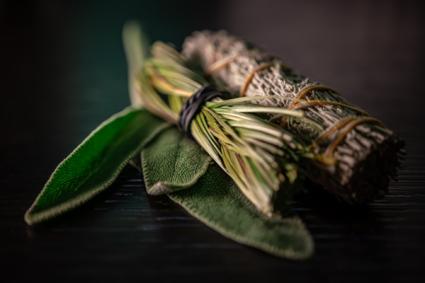
Tribal leaders identified the need for recovery and support services, and a Tribal consortium submitted a grant proposal to fund and administer this intervention. This intervention used the medicine wheel framework to implement the programmatic activities and to interpret outcomes on the physical (i.e., substance use), emotional, spiritual, and mental domains. Recovery support activities included traditional healing methods such as sweat lodges, weekly talking circles, spiritual gatherings, church, cedaring and smudging. American Indian peer mentors were involved in reviewing and validating results, and cultural reviewers ensured the cultural responsiveness of the results.
ParticipantsDemographic description of the people who participated in the research study. Young Adult, Adult; Native; Female, Male | SettingPlace(s) in which this intervention was conducted. Reservation, Rural, Urban | DeliveryMethod through which the intervention was delivered to participants in the study. Individual, Face-to-Face, Telephone Call |
American Indians in recovery living in reservation and urban communities.
This intervention recruited 224 American Indians in reservation and urban community settings (110 males, 114 females) from chemical dependency programs, Tribal health programs, community social services agencies, and through self-referral. Of those recruited, only 65 (29.5%) completed the program and 6-month follow-up. The mean age of the 32 males and 33 females who completed the program was 36.15 years old; most participants were from Northern Plains Tribes.
Staffing Needs
Credentials and/or background of personnel who delivered the intervention.
Community Leader, Community Member
American Indian peer mentors who are in recovery themselves.
Six American Indian peer mentors, who were in recovery themselves, served as cultural leaders, Elders, healers, advisors, coaches, and spiritual teachers.
Research Design
Methods employed to gather research data.
Pre-/post-intervention data
Developmental stage of research
Stage of development of the evidence supporting this intervention.
Early Stage
Small pilot study with high dropout rate and no control group with suggestive findings.
The study had a small sample size, lacked a comparison group, and had a high attrition rate. Lack of detailed information about the support services delivered to participants in the peer mentor meetings further limits the ability to draw strong conclusions about the effectiveness of the program.
Potential
Narrative offered by expert reviewers providing overall comments or evaluations about the intervention.
This cultural adaptation of a peer recovery program demonstrated feasibility for implementation in a variety of settings.
The Transitional Recovery and Culture Program intervention utilizes community strengths and cultural connections. This 3-year evaluation demonstrated feasibility to implement a peer recovery program in reservation and urban settings. Having peer coaches who understand the community resources and how to connect and engage peers seems especially promising for replication in other settings. Areas of concern include lack of information regarding the nature of the peer mentor meetings, what support services were delivered and effective, and poor treatment retention.
References
Primary
Kelley A, Bingham D, Brown E, Pepion L. Assessing the impact of American Indian peer recovery support on substance use and health . J Groups Addict Recover . 2017;12(4):296-308. https://www.tandfonline.com/doi/abs/10.1080/1556035X.2017.1337531 . https://doi.org/10.1080/1556035X.2017.1337531 .
Associated
Kelley A, Snell B, Bingham D. Peer recovery support in American Indian communities: A qualitative intrinsic case-study approach. J Groups Addict Recover. 2015;10(3):271-286. https://www.tandfonline.com/doi/abs/10.1080/1556035X.2015.1066727 . https://doi.org/10.1080/1556035x.2015.1066727 .
Recommended Reading
White WL. The mobilization of community resources to support long-term addiction recovery. J Subst Abuse Treat . 2009;36(2):146-158. https://pubmed.ncbi.nlm.nih.gov/19161895 . https://doi.org/10.1016/j.jsat.2008.10.006 .
Kelley A, Steinberg R, McCoy TP, Pack R, Pepion L. Exploring recovery: Findings from a six-year evaluation of an American Indian peer recovery support program. Drug Alcohol Depend . 2021;221:108559. https://pubmed.ncbi.nlm.nih.gov/33548899 . https://doi.org/10.1016/j.drugalcdep.2021.108559 .
See references for all interventions
< Back to all interventions for Treatment of Alcohol Use Disorder