 An official website of the United States government




Point of contact Shimian Zou, Ph.D. What is the goal of the NHLBI HIV/AIDS Program?
The NHLBI HIV/AIDS Program leads global research, training, and education programs on HIV-related heart, lung, blood, and sleep (HLBS) disorders, as well as blood-based therapies. Critical research discoveries in these areas will improve the survival and quality of life of people with HIV and may also lead to knowledge that benefits all people with heart, lung, blood, and sleep disorders.
These NHLBI Divisions work together on the NHLBI HIV/AIDS Program.
- The Division of Cardiovascular Sciences (DCVS) focuses on understanding the higher risk of cardiovascular disease in people with HIV and testing new and existing cardiovascular treatments.
- The Division of Lung Diseases (DLD) addresses HIV-associated pulmonary infections, non-infectious complications such as COPD , asthma , pulmonary hypertension , and sleep disorders .
- The Division of Blood Diseases and Resources (DBDR) focuses on HIV-associated blood abnormalities, hematopoietic cell and gene therapy for an HIV cure, and prevention of HIV spread through blood transfusion.
- The Center for Translation Research and Implementation Science (CTRIS) plans and supports research to find the best strategies for applying evidence-based interventions in clinical and public health settings, such as health centers, worksites, communities, and schools. This includes research on lowering barriers to implementing interventions for the prevention, control, and treatment of heart, lung, blood, and sleep disorders in people with HIV.
The cross-NHLBI HIV/AIDS Program facilitates innovative research on HIV-related heart, lung, blood, and sleep disorders and the evolving challenges for people The MACS/WIHS Combined Cohort Study (MWCCS) aims to understand and lower the impact of health problems that affect people with HIV. The Randomized Trial to Prevent Vascular Events in HIV (REPRIEVE) informs clinical approaches to prevent cardiovascular disease in people with HIV. Why is the NHLBI HIV/AIDS Program important? More Information Why It's Important
Because people with HIV are living longer, new research is needed to better understand the long-term effects of long-term infection, inflammation, and use of antiretroviral medications. The NHLBI HIV/AIDS Program also supports research on the effects of HIV in children and young adults. It is important to include children in research because cardiovascular risk factors develop earlier in children with HIV, and children with HIV are also at risk of developing cardiomyopathy .
Huge progress in the treatment of HIV has led to higher survival rates and a dramatic evolution in understanding the disease. Trends over the past decades reveal that, overall, people are living longer with HIV. As a result, the challenges have now shifted from acquired immunodeficiency syndrome, or AIDS — the most advanced stage of the HIV infection — to other long-term diseases, such as coronary heart disease, chronic obstructive pulmonary disorder (COPD), and chronic anemia . Many studies have shown that people with HIV have a much higher risk of developing heart, lung, and blood conditions and that these conditions may develop earlier in people with HIV compared to the general population.
How does the NHLBI HIV/AIDS Program contribute to scientific discoveries? Scientific Discovery Contributions
The NHLBI HIV/AIDS Program has funded a wide range of HIV-related heart, lung, blood, and sleep disorders research, including the following:
- Centers for AIDS Research to provide expertise and resources for high-quality, multidisciplinary AIDS research
- Genetic Engineering Technologies for HIV Cure Research to develop cell and gene therapies, including hematopoietic stem cell transplants, as well as nontraditional antiviral strategies to cure HIV-1, the most widespread type of HIV
- Heart, Lung, and Blood Co-morbiditieS Implementation Models in People Living with HIV (HLB-SIMPLe) to best deliver proven-effective prevention and treatment interventions for heart, lung, blood, and sleep diseases and disorders in people with HIV in World Bank designated low- and middle-income countries and Small Island Developing States.
- Implementation Research to Develop Interventions for People Living with HIV (PRECluDE) to support implementation research on proven-effective interventions for heart, lung, blood, and sleep diseases and conditions among people with HIV. These discoveries will fully implement guideline-based practices, late-stage T4 translation research, and implementation science strategies that address barriers to guideline-based interventions in community and clinical settings.
- Investigating HIV-Associated Lung Disease (INHALD) network to better understand the cellular and molecular events underlying HIV-associated lung diseases. While the study itself has ended, data and specimens can be requested for research purposes here .
- Lung HIV Microbiome Project (LHMP) to test the lung microbiome in people who have and do not have HIV. People with HIV are at high risk for developing pneumonia and have less lung function after pneumonia — an aftereffect not seen in people who do not have HIV. Data and specimens for this study can be requested through BioLINCC .
- Martin Delaney Collaboratories for HIV Cure Research to foster multidisciplinary collaborations between basic, applied, and clinical researchers studying HIV that stays in the body’s cells despite treatment (HIV persistence) and developing potential cures
- Multicenter AIDS Cohort Study (MACS)/Women’s Interagency HIV Study (WIHS) Combined Cohort Study (MWCCS) to advance HIV science and lower the impact of long-term health conditions that affect people with HIV
- Pediatric HIV/AIDS Cohort Study (PHACS) to understand the safety of HIV treatment in children
- Randomized Trial to Prevent Vascular Events in HIV (REPRIEVE) to inform clinical approaches to prevent cardiovascular disease in people with HIV
View funding information for the NHLBI HIV/AIDS Program.
The NHLBI encourages researchers to use existing NIH clinical/observational cohorts, biological specimens, databases (such as dbGaP ), or imaging banks whenever possible for HIV-related heart, lung, blood, and sleep disorder research. Investigators interested in using data and stored samples from NHLBI studies can submit a request through the NHLBI Biologic Specimen and Data Repository Information Coordinating Center (BioLINCC) . In addition, the MACS/WIHS Combined Cohort Study Data Analysis and Coordinating Center handles requests for data and biospecimens related to the study.
The following are HIV/AIDS research resources that the NIH Office of AIDS Research provides.
- Strategic Plan for Trans-NIH Plan for HIV-Related Research
- NIH HIV/AIDS Early Career Investigator Resources
- NIH HIV/AIDS Online Resources
- NIH HIV/AIDS Research Priorities and Guidelines for Determining HIV/AIDS Funding
How is the NHLBI HIV/AIDS Program conducted? How It's Conducted
The NHLBI identifies key HIV-related research priorities in the areas of heart, lung, blood, and sleep science in part by convening HIV/AIDS Working Groups. Prior Working Groups include:
- The September 2019 Workshop on HIV-associated Comorbidities, Coinfections and Complications, led by the NHLBI and the NIH Office of AIDS Research (OAR) with support from 19 other NIH institutes, centers, and offices (ICOs). The workshop included five working groups focused on epidemiology and population science, disease origin and development, and basic science, clinical research, implementation science, and syndemics (disease interactions and social, cultural, environmental, political, and economical factors that influence or worsen diseases or conditions). The workshop also included a panel targeting international research.
NIH-Comorbidities-Workshop-Summary.pdf (1.1 MB) . - The December 2015 Working Group where members discussed top scientific priorities for HIV/AIDS-related heart, lung, blood, and sleep research, including studies on epidemiology, disease processes, prevention, control, and treatment of HIV-related diseases and conditions. View the detailed recommendations from the 2015 meeting.
- The September 2012 Working Group, which focused on epidemiology, disease processes, prevention, and treatment of HIV-related heart, lung, and blood diseases, and the potential use of cell-based therapies to eliminate HIV. View the detailed recommendations from the 2012 meeting.
Based on the recommendations of the HIV/AIDS Working Groups, the NHLBI has developed dedicated “HIV-related funding opportunity announcements (FOAs)” that highlight scientific opportunities in HIV-related heart, lung, blood, and sleep science. View funding information for NHLBI HIV/AIDS program research.
This cross-NHLBI program funds innovative research that responds to the evolving challenges of HIV. The NHLBI HIV/AIDS Team coordinates all HIV-related research in heart, lung, blood, and sleep, including translation research and implementation science. The NHLBI began holding working group meetings to identify research priorities in 2012. The Institute has since developed various initiatives to support research targeting HIV-related priorities.
Who are the current NHLBI HIV/AIDS team members? Current Team Members
Shimian Zou, Ph.D.
NHLBI HIV/AIDS Coordinator
shimian.zou@nih.gov
Nicolette Schuko, M.S.
NHLBI HIV/AIDS Scientific Program Manager
nicolette.schuko@nih.gov
Cardiovascular Team
Gabriel Anaya, M.D.
Medical Officer/Program Director, Epidemiology Branch
MWCCS Liaison
gabriel.anaya@nih.gov
Elizabeth Barnett Pathak, Ph.D., FAHA
Program Director, Epidemiology Branch
MWCCS Liaison
beth.pathak@nih.gov
Patrice Desvigne-Nickens, M.D.
Medical Officer/Program Director, Heart Failure and Arrhythmias Branch
REPRIEVE Liaison
desvignp@nhlbi.nih.gov
Ahmed A.K. Hasan, M.D., Ph.D.
Medical Officer/Program Director, Atherothrombosis and Coronary Artery Disease Branch
hasana@nhlbi.nih.gov
Fassil Ketema, M.S.
Program Officer/Clinical Trials Specialist, Heart Failure and Arrhythmias Branch
fassil.ketema@nih.gov
Lung and Sleep Team
Alfonso Alfini, Ph.D.
Program Director, Sleep Disorders Medicine
alfonso.alfini@nih.gov
Emmanuel Mongodin, Ph.D.
Program Director, Lung Response to Pulmonary Infections, Microbiome, and HIV/AIDS
emmanuel.mongodin@nih.gov
Roy Sutliff, Ph.D.
Program Director, Vascular Biology and Pulmonary Hypertension
roy.sutliff@nih.gov
Blood Team
Benyam Hailu, M.D., M.P.H.
Medical/Program Officer, Blood Epidemiology and Clinical Therapeutics Branch
benyam.hailu@nih.gov
Translation Research and Implementation Science Team
DaRel M. Barksdale, Dr.P.H., M.P.H., CHES®
Program Officer, Health Inequities and Global Health Branch
darel.barksdale@nih.gov
Mary Masterson, Ph.D.
Program Director, Implementation Science Branch
mary.masterson@nih.gov
Keith Mintzer, Ph.D.
Program Director, Implementation Science Branch
keith.mintzer@nih.gov
Division of Extramural Research Activities Team
Kelly Barford, Ph.D.
Scientific Program Manager, Office of Extramural Operations and Referral
kelly.barford@nih.gov
John Diggs
Supervisory Team Leader, Office of Grants Management
john.diggs@nih.gov
Fatima Kamara
Grants Management Specialist
fatima.kamara@nih.gov
Manoj Valiyaveettil, Ph.D.
Scientific Review Officer
manoj.valiyaveettil@nih.gov
Lynn Rundhaugen
Grants Management Specialist
lynn.rundhaugen@nih.gov
Financial Management Team
Lina Allen
NHLBI Budget Officer
allenli@nhlbi.nih.gov
Nicholas Bauer
Supervisory Budget Analyst
nicholas.bauer@nih.gov
Larry Martin
Budget Analyst
larry.martin@nih.gov
Cindy Hendrickson
Budget Analyst
cindy.hendrickson@nih.gov
Contact information for NHLBI HIV/AIDS Program team members is available in the areas of heart, lung, blood, and sleep research; biostatistics; clinical research; translation research; implementation science; and grant management.
NHLBI HIV/AIDS Program Addresses Increasing Burden of Chronic Disease for HIV-Infected Individuals
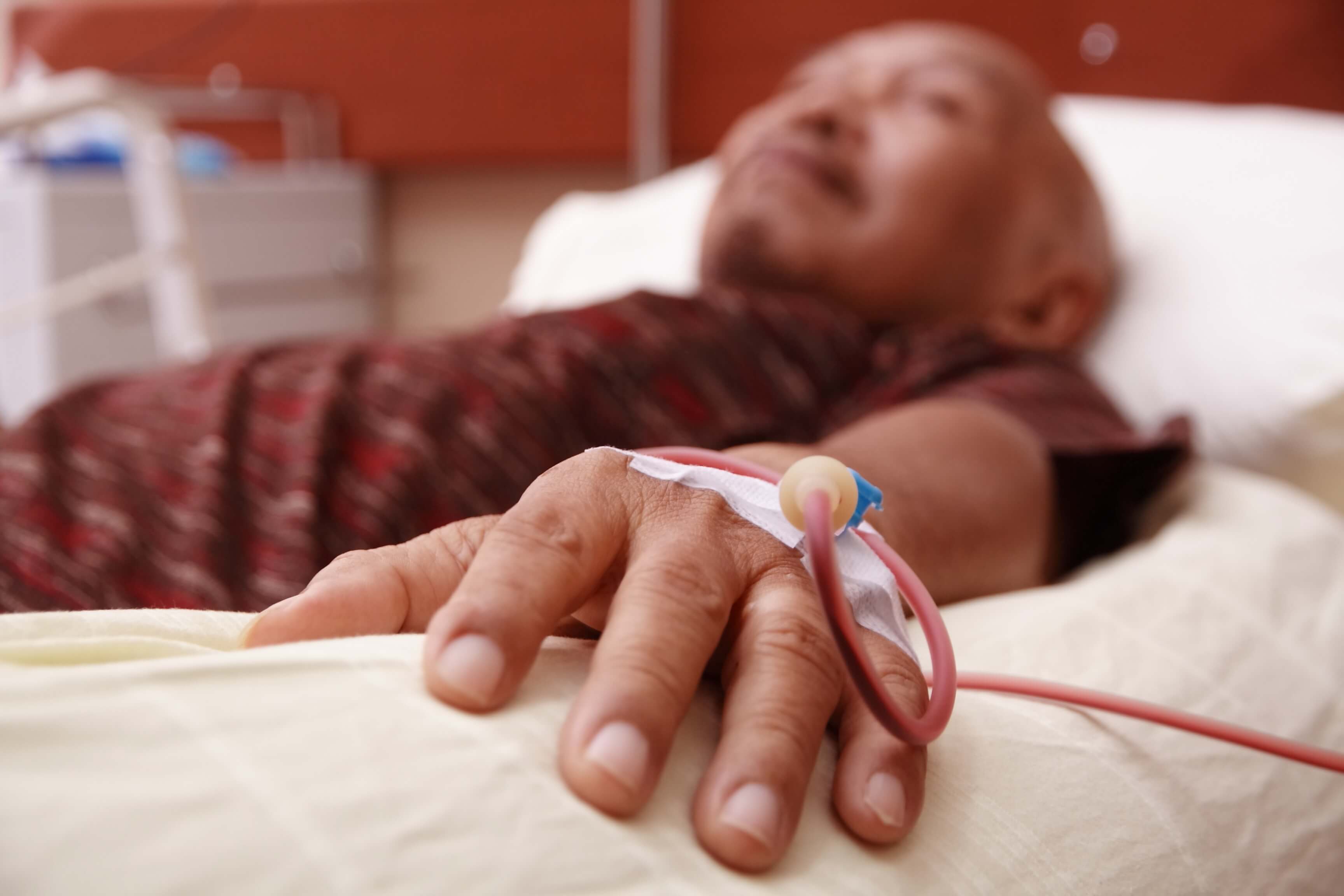
Tremendous progress in the treatment of HIV has led to increased survival and a dramatic evolution of the disease’s course in patients.
The Science Read more about the NHLBI HIV/AIDS Program. The NHLBI HIV/AIDS Program leads global research on HIV-related heart, lung, blood, and sleep disorders.